
Many of us feel pulled in countless directions daily. Our emotional and physical well-being often takes a backseat. This can lead to feelings of anxiety, frustration, and low energy.
Hormonal, social, and physiological factors mean these challenges can affect individuals differently. Understanding your unique experience is the first step toward relief.
This guide offers actionable, evidence-based strategies. It focuses on improving your overall health and daily functioning. You will learn practical techniques and when to seek support.
Taking control leads to better relationships and a higher quality of life. Let’s explore effective ways to find balance and peace.
Key Takeaways
- Hormonal and social factors influence how challenges manifest.
- Practical, research-backed techniques can improve daily life.
- Building a strong support system is crucial for long-term relief.
- Recognizing when to seek professional care is important for health.
- Personalized approaches lead to better mood and energy levels.
- Proactive steps enhance overall well-being and life satisfaction.
Understanding Stress and Its Unique Impact on Women
Women often experience distinct pressures from life’s many roles. Hormonal changes play a significant part in how these pressures affect the body and mind.
Recognizing personal symptoms early can help maintain better physical and mental health.
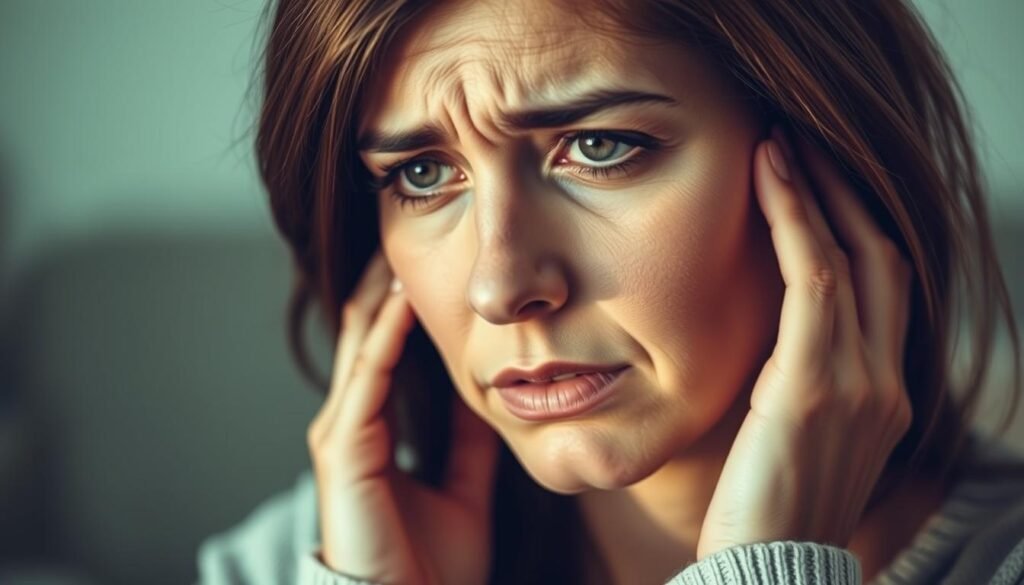
Common Symptoms of Stress in Women
Many signs can signal that pressure is building. Emotional changes like irritability, anxiety, and mood swings are common.
Physical signs include low energy and appetite shifts. Some people struggle with memory or focus at work.
Feelings of frustration or anger may arise more often. It’s vital to notice these cues in daily life.
How Chronic Stress Affects Women’s Health
Long-term pressure can harm the body in various ways. Cortisol levels may stay high, impacting overall health.
This can lead to hormonal issues like irregular cycles or worse PMS. Heart risks such as high blood pressure may increase.
Digestive troubles and immune weakness are also possible. Taking care of these challenges protects long-term wellness.
Recognizing When Stress Becomes Overwhelming
Sometimes pressure moves beyond typical levels. Changes in sleep or social withdrawal are red flags.
Performance at work or school might drop. Physical pains like headaches can signal it’s time to seek care.
If mood stays low or hopelessness sets in, professional support can help. Early action prevents more serious health issues.
Effective Stress Management for Women: 7 Key Techniques
Finding balance in daily life requires practical tools that fit your unique needs. These evidence-based approaches can significantly improve your overall well-being when practiced consistently.

Mindfulness, Meditation, and Deep Breathing
Focusing on the present moment without judgment helps calm the nervous system. Beginners can start with just five minutes daily.
Deep breathing exercises immediately lower blood pressure and create relaxation. Apps like Headspace or Calm offer guided sessions for all levels.
These practices reduce anxiety by bringing attention away from worrying thoughts. Regular meditation builds mental clarity over time.
The Role of Physical Activity and Yoga
Movement releases endorphins that naturally elevate mood. Even brief activity breaks make a difference during busy days.
Yoga combines physical postures with breathing control for dual benefits. Specific poses like child’s pose or legs-up-the-wall promote calm.
Dancing, brisk walking, or stretching all count as beneficial movement. The key is finding activities you enjoy and can maintain regularly.
Nutrition, Hydration, and Their Effect on Mood
What you eat directly impacts how your body handles pressure. Magnesium-rich foods like leafy greens and almonds support nervous system function.
Omega-3 fatty acids from fish help regulate emotional responses. Staying hydrated prevents irritability and maintains energy levels.
Limiting caffeine and sugar reduces anxiety and depression symptoms. Balanced meals with lean proteins and whole grains provide steady fuel.
Prioritizing Sleep for Mental Recovery
Quality rest allows your mind to process daily experiences. Most adults need 7-9 hours nightly for optimal functioning.
Creating a calming bedtime routine signals your body to unwind. Keep your sleep environment dark, cool, and quiet for better rest.
Consistent sleep schedules improve both mental and physical health. Proper recovery makes handling challenges much easier.
Using Journaling to Process Feelings
Writing down thoughts provides emotional release and clarity. This practice helps identify patterns in what triggers tension.
Daily journaling creates space for self-reflection and problem-solving. You can track progress and notice improvements over time.
This therapeutic tool complements other techniques beautifully. Many find it especially helpful for processing complex emotions.
These methods work best when combined according to personal preference. Experiment to discover which approaches bring you the most relief.
Short daily sessions often prove more sustainable than occasional longer practices. Even ten minutes of focused self-care makes a significant difference.
These strategies support professional treatments when additional help is needed. Building a toolkit of techniques prepares you for various situations.
Building Your Support System and Knowing When to Seek Help
Creating a strong network is vital for handling life’s pressures. This network includes people who listen and offer practical assistance.
Knowing when to ask for professional care is equally important. Both elements work together for complete wellness.
Leaning on Family and Social Connections
Close relationships provide emotional comfort during tough times. Regular chats with loved ones can lighten your load.
Community groups offer shared experiences and advice. These connections remind you that you’re not alone in your challenges.
Building strong bonds takes consistent effort and openness. Schedule regular catch-ups with friends who uplift you.
Evaluating and Engaging Professional Services
Sometimes personal support isn’t enough for your needs. Professional help becomes necessary when symptoms persist.
Look for signs like lasting mood changes or sleep problems. Performance issues at work may also indicate deeper concerns.
Services range from therapy to specialized programs. The Lindner Center of HOPE offers comprehensive women’s mental health care.
Hometown Healthcare provides wellness visits and lifestyle guidance. These resources give expert strategies for improvement.
Setting Boundaries for Time Management
Protecting your schedule prevents overwhelm and burnout. Learning to say “no” preserves energy for priorities.
Block 15-30 minutes daily for hobbies or relaxation. This practice maintains balance between giving and receiving.
Clear limits improve both personal and professional relationships. They ensure you have enough resources for self-care.
Remember that seeking support shows strength, not weakness. Proactive steps lead to better health and happiness.
Conclusion: Taking the First Step Toward a Calmer Life
Your journey to better wellness begins with small, consistent actions. The techniques shared here offer practical ways to improve daily living.
Remember that professional care provides valuable support when needed. Resources like Lindner Center of HOPE stand ready to help.
Start with one strategy that fits your lifestyle today. Even brief moments of self-care boost mental health and physical wellness.
Each positive step reduces pressure and enhances life quality. Your path to balance is both achievable and rewarding.
FAQ
What are some common signs that a woman may be experiencing too much pressure?
Common indicators include persistent fatigue, irritability, changes in sleep patterns, headaches, muscle tension, and difficulty concentrating. Some may also notice changes in appetite or a loss of interest in activities they once enjoyed.
How does long-term strain uniquely affect a woman’s physical health?
Prolonged strain can disrupt hormonal balance, potentially affecting menstrual cycles and reproductive health. It is also linked to a higher risk of heart disease, autoimmune disorders, and a weakened immune response over time.
What are some quick, effective ways to reduce tension during a busy day?
Brief techniques include taking a few moments for deep breathing exercises, a short walk, or practicing mindfulness. Even a five-minute break to stretch or hydrate can help reset your mood and energy.
Can physical activity really help improve mental well-being?
Yes, regular movement like walking, yoga, or dancing releases endorphins, which are natural mood lifters. It also helps lower blood pressure, improves sleep, and provides a healthy outlet for releasing built-up tension.
When should someone consider getting professional support?
If feelings of anxiety or low mood persist for weeks, interfere with daily responsibilities, or if coping strategies no longer bring relief, it may be time to consult a therapist or counselor for guidance.
How can setting boundaries help with time and emotional demands?
Clear boundaries protect your energy and focus. Learning to say “no” to extra commitments and scheduling time for self-care ensures you prioritize your well-being and avoid burnout.