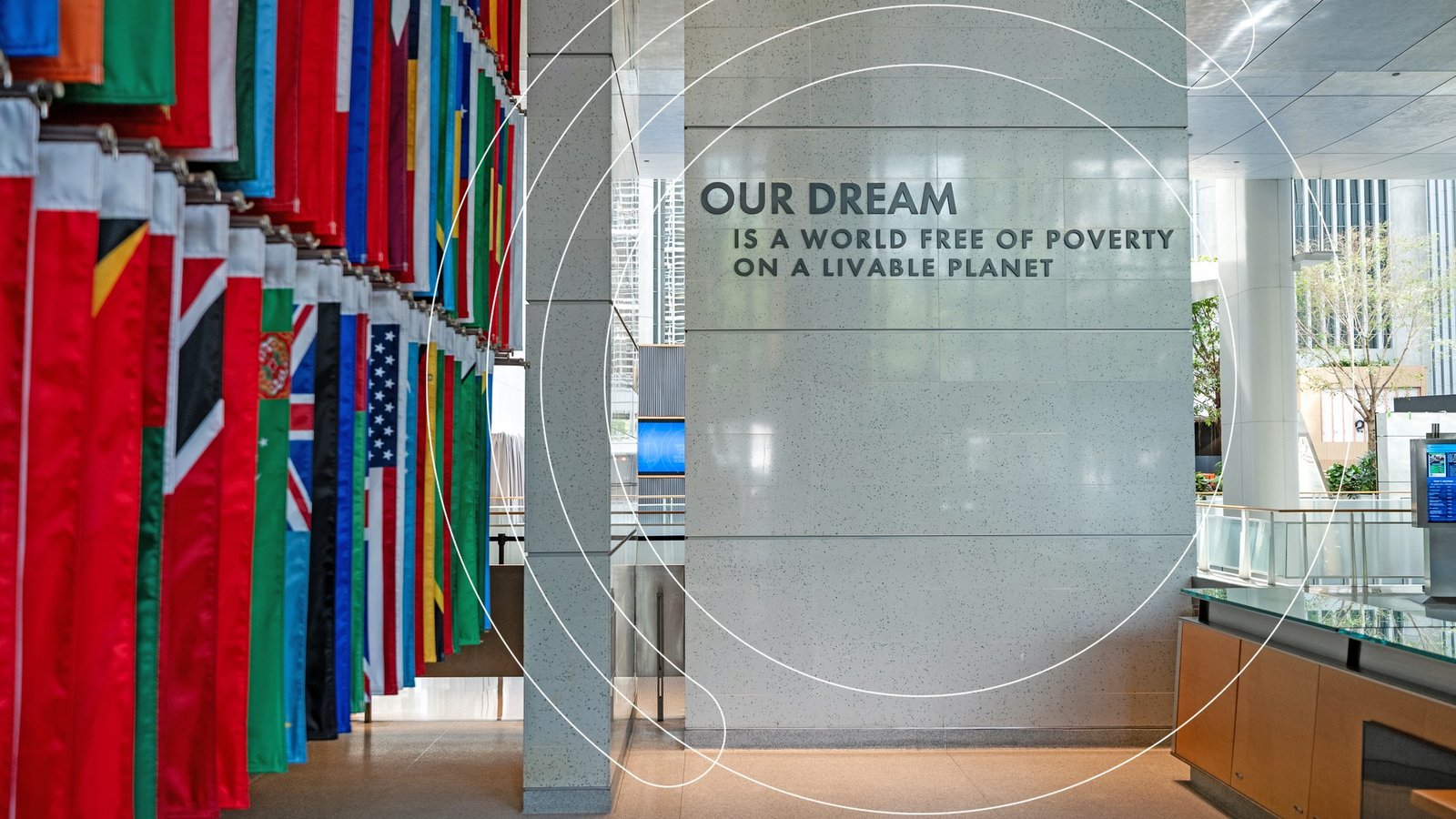
The World Bank estimates that average female labor force participation in the MENAAP region is about 19%, compared with 73% for men. That gap is not only a labor market statistic. It is one of the biggest economic and social questions facing the region, and it explains why the World Bank is important to any serious discussion of women’s empowerment in MENA.
Key Takeaways
- World Bank gender work in MENA focuses on women’s agency, jobs, economic opportunity, human capital, gender-based violence prevention, leadership, and policy results.
- The institution frames women’s participation as a development and growth priority, not only a social issue.
- Its MENA work highlights barriers such as childcare, transport, workplace conditions, legal frameworks, access to finance, social norms, and safety.
- For Saudi Arabia, the UAE, Egypt, Morocco, and the wider region, World Bank data and projects are useful for understanding what blocks women from entering and advancing in the economy.
Why The World Bank Matters For Women In MENA
The World Bank is an international development finance institution and knowledge partner. It works with governments and institutions on financing, policy advice, research, and projects across sectors such as jobs, education, finance, health, housing, transport, social protection, digital transformation, and climate.
Its gender work matters because women’s empowerment in MENA is strongly tied to economic systems. A woman may be educated and ambitious, but still face obstacles if childcare is unaffordable, transport is unsafe, employers lack inclusive policies, finance is hard to access, or laws and norms limit her choices. The World Bank helps identify these barriers and supports countries in designing reforms and programs to address them.
What The World Bank Does For Women’s Economic Empowerment
Jobs And Labor Market Access
The World Bank’s gender work in MENA gives major attention to women’s access to jobs. This includes the policies and investments that help women enter, remain, and progress in the labor market. It also includes reforms that make workplaces safer, more flexible, and more responsive to women’s realities.
This is especially relevant in countries where women have high educational attainment but lower economic participation. The challenge is not only skills. It is the full pathway from education to employment, retention, promotion, leadership, and entrepreneurship.
Childcare And The Care Economy
Care responsibilities are one of the most important barriers affecting women’s work. When childcare is limited, expensive, or socially treated as only a mother’s responsibility, women are more likely to leave work, reduce hours, avoid entrepreneurship, or decline leadership opportunities.
The World Bank’s analysis of women’s economic participation often points to childcare and care systems as practical development priorities. This is important for MENA because employment strategies that ignore care work often fail to reach women at scale.
Transport, Mobility, And Safe Access
Safe and affordable transport can determine whether women can accept jobs, attend training, reach markets, or manage a business. In many contexts, mobility is affected by safety concerns, social norms, distance, cost, and infrastructure design.
For women’s empowerment, mobility is not a small operational detail. It is a gateway to opportunity. World Bank gender projects and research often connect mobility to labor participation, service access, and economic inclusion.
Finance, Entrepreneurship, And Women-Owned Businesses
Women entrepreneurs need more than motivation. They need access to finance, markets, digital tools, information, networks, and business environments that do not disadvantage them. The World Bank’s work includes financial inclusion, support for small and medium enterprises, digital payments, and policies that can improve women’s participation in business.
This is especially relevant for Bahiyat’s audience of women founders, freelancers, and professionals who want to understand the structural side of entrepreneurship.
Policy Reform And Gender Data
The World Bank is one of the most cited sources for gender data and policy analysis. Its reports can help governments, NGOs, researchers, and companies understand legal barriers, labor market gaps, financial inclusion, education transitions, and the economic value of women’s participation.
Data matters because it moves the conversation from general support to targeted reform. It helps show whether a barrier is related to skills, law, finance, social norms, transport, childcare, or workplace practices.
Country Examples Across The Region
World Bank gender-related work in MENA includes different examples across countries. In Egypt, social safety net and housing programs have reached women and women-headed households. In Morocco, higher education reforms include efforts to attract more female students to STEM careers. In the UAE, the UAE-World Bank Gender Center of Excellence was launched as a platform for knowledge exchange on gender-related reforms. In Jordan, programs have addressed flexible work, digital payments, women’s economic opportunities, and childcare-related barriers.
These examples show that women’s economic empowerment is not one type of project. It can move through housing, education, transport, finance, labor regulations, digital inclusion, safety, and entrepreneurship.
What To Watch Next In MENA
For Saudi Arabia and the UAE, the big questions include women’s leadership, private sector transformation, future jobs, entrepreneurship, and workplace equality. For Egypt and Morocco, the key issues include job access, informal work, rural inclusion, care systems, skills, and finance. Across the region, conflict and crisis also affect women’s economic security and human capital.
The World Bank is important because it links these topics to measurable development outcomes. Its work helps clarify that empowering women is not only morally right. It is also necessary for stronger economies and more resilient societies.
FAQ About The World Bank
What is the World Bank?
The World Bank is an international development institution that provides financing, research, data, and policy support to countries and development partners.
What does the World Bank do for women in MENA?
It supports reforms, projects, and research related to women’s jobs, financial inclusion, childcare, transport, skills, social protection, leadership, human capital, and protection from gender-based violence.
Does the World Bank give direct grants to individual women?
Usually, the World Bank works through governments and institutions rather than providing direct individual grants. Its projects can still reach women through national programs, services, and reforms.
Why is female labor force participation important?
It affects women’s income, household wellbeing, national productivity, business growth, and inclusive development. Low participation means economies are not fully using women’s talent.
Is the World Bank useful for women entrepreneurs?
Yes. Its research and projects can help explain barriers to finance, markets, digital access, regulation, childcare, and business growth for women-owned enterprises.