How did one woman from Saudi Arabia reshape global policies on development and gender? This question lies at the heart of understanding a remarkable diplomatic career.
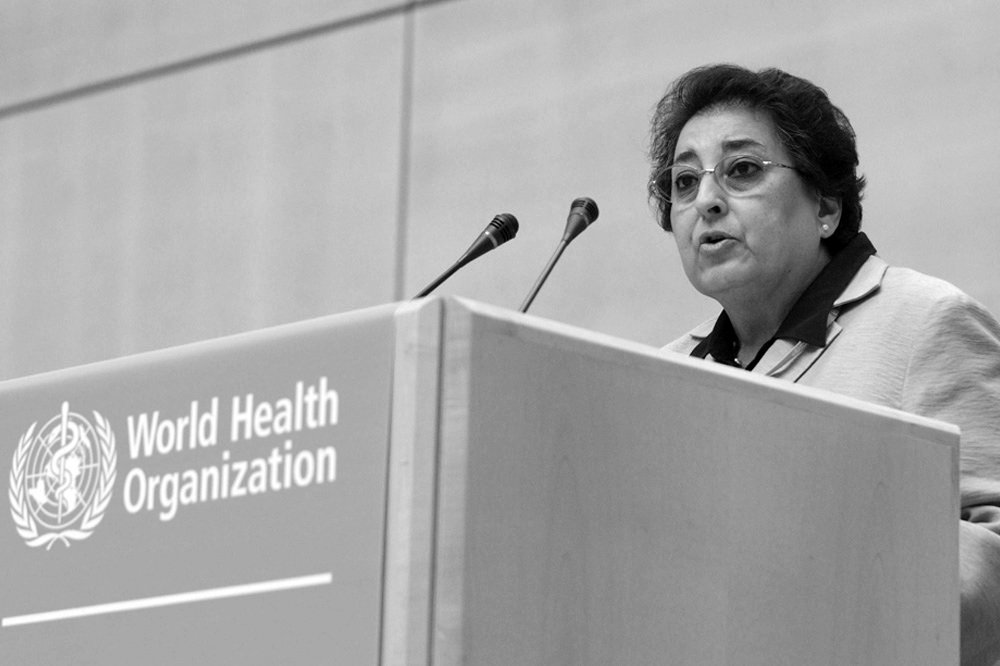
Thoraya Ahmed Obaid is a distinguished Saudi diplomat. Her work has left a deep mark on international policy and social development worldwide.
Born in 1945, her life reflects a journey of breaking barriers. She was raised in an environment that valued intellectual growth. This was influenced by her father, the journalist Ahmed Obaid.
Her career path shows how a dedicated individual can influence global standards. She did this while keeping strong roots in her home country of Saudi Arabia.
This article explores her transition from a student to a leader at the United Nations. It highlights her multifaceted contributions to the world.
Key Takeaways
- A pioneering Saudi diplomat who broke barriers in international governance.
- Her leadership at the United Nations influenced global social development policies.
- Born in 1945, her journey from education to global leadership exemplifies dedication.
- She maintained strong cultural ties to Saudi Arabia while advocating for change worldwide.
- Her work has left a lasting legacy on critical international issues.
- Her upbringing in a knowledge-focused family shaped her intellectual approach.
- Her career demonstrates how individuals can drive progress from a national base to the global stage.
Biography: Early Life and Education
From early schooling in Mecca to advanced studies in America, Thoraya Ahmed Obaid’s academic trajectory broke new ground for Saudi women. Her formal education began at the remarkably young age of three in the holy city. This early start provided a strong foundation for her future achievements.
Foundations in Early Education and Cultural Roots
In 1951, her family moved to Cairo where she attended the American College for Girls. Her father, a scholar of classical Arabic, was a key influence. He encouraged her intellectual growth during a period with limited educational access for girls.
This unique cultural exposure shaped her perspective from an early age. The blend of traditional values with progressive schooling created a balanced worldview. These experiences prepared her for future international work.
Academic Achievements and the U.S. Scholarship Milestone
She made history as the first Saudi woman to receive a government scholarship for U.S. study. This groundbreaking opportunity led her to pursue English literature at Mills College. She earned her bachelor’s degree there in 1966.
Her academic journey continued at Wayne State University. She completed both her master’s and doctoral degrees by 1970. This rigorous training in literature and Renaissance drama built critical analytical skills.
The government scholarship provided more than just financial support. It offered a global perspective that would define her professional approach. These academic achievements laid the groundwork for her future diplomatic career.
The Trailblazing Career of Thoraya Ahmed Obaid
The path from regional commissions to leading a major UN fund defined her influential tenure. Her work within the United Nations system set new standards for leadership.
Pioneering Roles in International Organizations
In 1975, Thoraya Ahmed Obaid began her service with the United Nations. She joined the Economic and Social Commission for Western Asia (ESCWA).
This early role provided deep insight into regional social development. She rose to become the deputy executive secretary at ESCWA.
Her leadership there showcased her capacity for high-level administration. It led to her move to the United Nations Population Fund in 1998.
Executive Leadership at the United Nations Population Fund
A landmark promotion came in 2001. She was appointed the executive director of the United Nations Population Fund.
She served as executive director until 2010, guiding global programs. These initiatives focused on reproductive health and empowering women.
This position also made her the first Saudi woman to hold the rank of Under-Secretary-General. As a top director within the UN, she shaped policies that helped marginalized groups.
Contributions to Social Development and Women’s Rights
Integrating maternal health into global frameworks marked a pivotal shift in how the world addresses women’s needs. Thoraya Obaid’s work centered on creating lasting social progress through focused advocacy.
Advocacy for Empowerment and Inclusive Development
She consistently championed the rights of women and girls. Her efforts ensured their perspectives shaped international policy discussions.
This advocacy focused on inclusive development strategies. These plans addressed the specific needs of young people in diverse regions.
By pushing for maternal health in the Millennium Development Goals, she helped save countless lives. This integration became a cornerstone for global health rights.
She believed true progress required full empowerment of women. Their participation in economic and social life was essential for national advancement.
Her vision highlighted the potential of youth as a driver of sustainable development. This approach recognized people as the core of any society’s future.
Global Recognition and Influence
Accolades from prestigious institutions serve as a testament to an individual’s profound effect on international discourse. For Thoraya Obaid, formal honors and media recognition highlight the breadth of her impact.
Awards, Honors, and Media Accolades
Her dedication was formally honored with the United Nations Population Award in 2015. This award celebrated her outstanding work for the rights and empowerment of women.
Forbes magazine acknowledged her powerful role twice. It listed her among the 50 most powerful Arab women in 2004 and again in 2011.
Her enduring legacy was further confirmed in 2023. She was included in The 500 Most Influential Muslims, highlighting her global cultural impact.
Influence in International Policy and Women’s Empowerment Forums
Beyond awards, her influence shaped critical discussions worldwide. As a director of the Women’s Learning Partnership, she fostered leadership.
She focused on developing skills for women and young people across the globe. Her voice in major policy forums was instrumental.
It helped shape modern perspectives on gender equality and human rights. This ongoing work cemented her status as a key architect of social progress.
Legacy in Saudi Arabia and Beyond
A legacy is cemented not only by global achievements but by the tangible impact left on one’s homeland. This is seen in a landmark appointment to Saudi Arabia’s Shura Council.
Impact on Social Policies and National Development
From 2013 to 2016, Thoraya Ahmed Obaid served as a member of the Consultative Assembly. She was among the first Saudi women appointed to this body.
Her extensive experience as a former executive director of the United Nations Population Fund informed her national policy work. This role allowed her to shape social policies influencing the development of Saudi Arabia.
Her transition from a deputy executive secretary at the UN to a key advisor at home symbolizes progress. It demonstrated a significant shift in the national approach to female participation in government.
Her work remains a beacon for the empowerment of all people. Even at an advanced age, she inspires the next generation. She is a role model for every Saudi woman in government service.
Conclusion
Education, advocacy, and leadership converged to shape a career that changed lives across continents. Thoraya Ahmed Obaid’s journey stands as a powerful testament to the impact of persistent advocacy.
From her early days to her top role at the United Nations, she broke barriers for women and marginalized groups. Her work in maternal health and social development reshaped international policy for millions.
Her service on the Shura Council applied her global expertise directly to the progress of Saudi Arabia. This move highlighted a vital link between international experience and national advancement.
Ultimately, her life inspires through a deep commitment to education and human rights. Thoraya Ahmed Obaid’s legacy proves that dedicated leadership can forge a more equitable world for all people.
FAQ
What was significant about Thoraya Ahmed Obaid receiving a government scholarship?
It was a groundbreaking moment. She was the first Saudi woman to receive an official scholarship to study abroad, earning her degree in English Literature from Wayne State University. This paved the way for countless other women in the Kingdom to pursue higher education internationally.
What were her major achievements at the United Nations Population Fund (UNFPA)?
As Executive Director, she led global efforts linking population issues with human rights and development. Her tenure emphasized empowering women and young people, advocating for their health and rights as central to sustainable progress and poverty reduction worldwide.
How did her work influence social policy in Saudi Arabia?
Her international prominence and advocacy provided a powerful model for change. She demonstrated the critical role of educated women in leadership and development, influencing national conversations on female empowerment, education, and inclusive social policy within the Kingdom.
What is her legacy in the field of women’s empowerment?
Her legacy is that of a principled trailblazer who connected demographic issues directly to human rights. She championed the idea that investing in the health, education, and rights of women and girls is the foundation for stronger, more prosperous communities and nations.
For what contributions has she received global recognition?
She has been honored with numerous awards for her leadership in international development and advocacy. These accolades recognize her decades of work advancing reproductive health, gender equality, and the rights of young people on the world stage.